
Finding the right wig for alopecia isn’t simply about choosing a hairstyle. Comfort, coverage, fit, cap construction, hair quality, and ease of maintenance can all make a significant difference.
At Toronto Wig Studio, we help clients explore wigs and hair toppers based on their individual hair loss, lifestyle, and personal preferences. This guide explains what to consider when choosing a wig for alopecia and how to find a solution that feels comfortable and looks natural.
What Is Alopecia?
Alopecia is a general term used to describe hair loss. There are different forms and patterns of alopecia, and the amount and location of hair loss can vary significantly from person to person.
Some people experience thinning in specific areas, while others may lose most or all of the hair on their scalp.
Because everyone’s experience is different, there isn’t one type of wig that is automatically best for every person with alopecia.
The right choice depends on your individual pattern of hair loss, how much coverage you want, your scalp sensitivity, lifestyle, and personal preferences.
Is a Wig Right for Alopecia?
For many people, a wig can be an effective way to manage visible hair loss.
A full wig can provide complete scalp coverage and doesn’t necessarily require you to have significant hair underneath it. This can make a wig particularly useful for people experiencing more extensive hair loss.
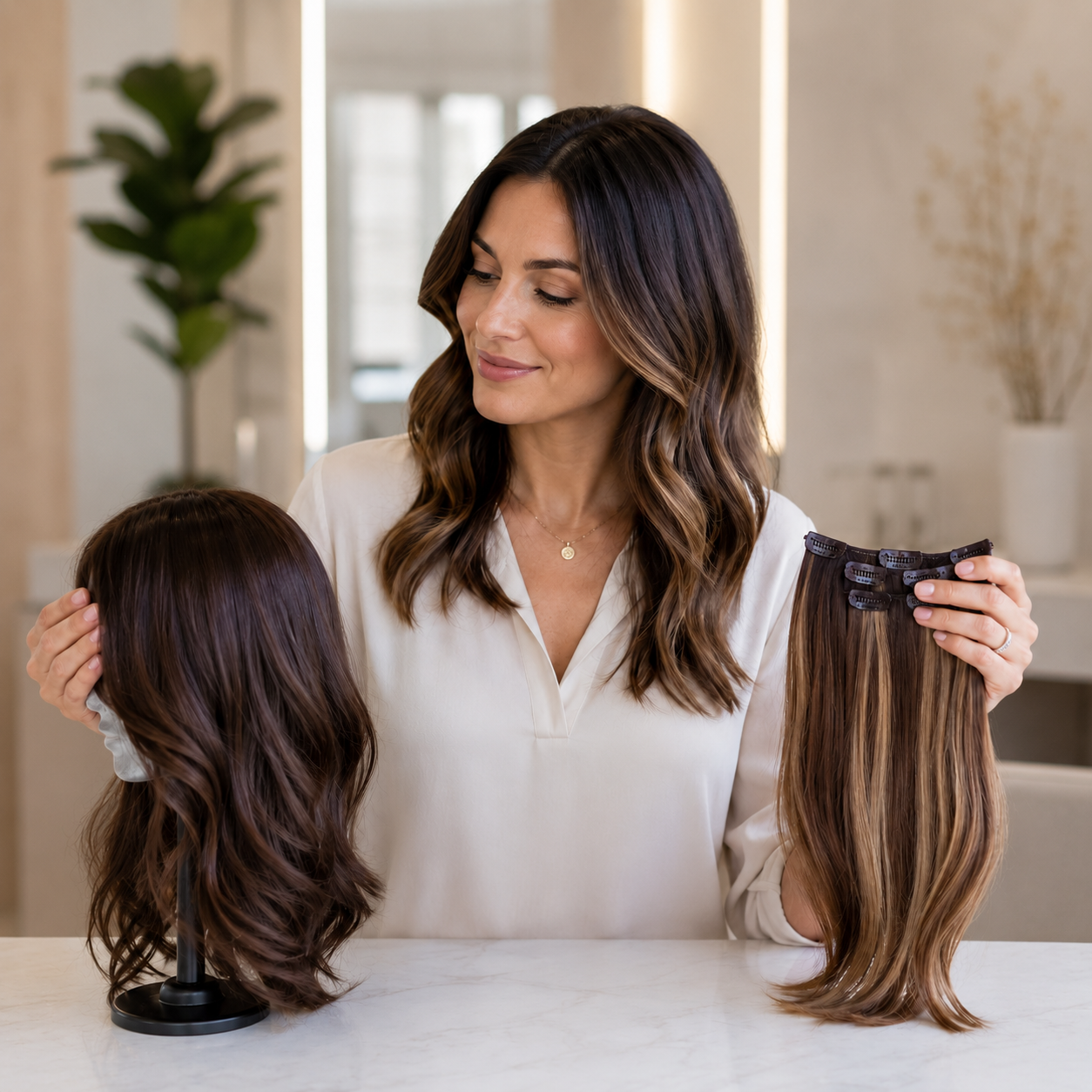
For someone with localized thinning, however, a hair topper or other partial hair solution may provide enough coverage without covering the entire head.
The important thing is to choose a solution based on your actual hair-loss pattern rather than assuming that everyone with alopecia needs a full wig.
Human Hair vs. Synthetic Wigs for Alopecia
One of the biggest decisions you’ll face is whether to choose human hair or synthetic hair.
Human Hair Wigs
Human hair wigs are made from real human hair and can provide natural movement and extensive styling flexibility.
Depending on the construction and quality, they can generally be:
- Cut and customized
- Blow-dried
- Curled
- Straightened
- Styled in different ways
- Professionally coloured when appropriate
Human hair can be a good choice if you want the flexibility to change your hairstyle and prefer the movement and feel of natural hair.
However, human hair wigs generally require more maintenance than synthetic alternatives.
Synthetic Wigs
Modern synthetic wigs can provide a natural appearance while offering a more convenient styling routine.
Many synthetic wigs are designed to maintain their original shape, which can reduce the amount of daily styling required.
They can be a practical option for someone who wants:
- Easy maintenance
- A consistent hairstyle
- Less daily styling
- A range of affordable options
The best choice depends on your lifestyle, budget, desired appearance, and how much styling flexibility you want.
Comfort Is Especially Important
If you’re experiencing alopecia, you may be particularly aware of how a wig feels against your scalp.
A wig that looks beautiful but feels uncomfortable isn’t likely to become a favourite.
When choosing a wig, consider:
- Cap construction
- Weight
- Fit
- Adjustability
- Seam placement
- Material against the scalp
- Security
- Overall comfort
Try different wig constructions whenever possible.
A wig specialist can help you compare different designs and determine which feels most comfortable for you.
Wig Cap Construction for Alopecia
The construction of the wig can have a major impact on appearance and comfort.
Monofilament Wigs
Monofilament construction is designed to create the appearance of individual hairs emerging from the scalp.
It can provide a realistic-looking part and allow the hair to be positioned in different directions.
Lace-Front Wigs
A lace-front wig has a fine lace section along the front hairline.
This can create a more natural-looking transition between the wig and forehead and may allow you to style the hair away from your face.
Hand-Tied Wigs
Hand-tied wigs have individual hairs attached to the cap by hand.
They can provide natural movement and a flexible feel and are often available in premium wig designs.
Traditional Cap Wigs
Traditional caps can provide structure and volume while offering a practical option for everyday wear.
The right construction isn’t necessarily the most expensive one. It should be the one that meets your needs for comfort, appearance, and styling.
What Wig Size Is Best for Alopecia?
A secure, comfortable fit is essential.
If you have little or no hair underneath the wig, the fit may feel different from wearing a wig over natural hair.
A wig should sit securely without creating excessive pressure.
When trying on a wig, pay attention to:
- The temples
- Behind the ears
- The back of the head
- The front hairline
- Any areas of pressure
- Movement when you turn your head
Many wigs have adjustable features that can help create a more personalized fit.
Can a Wig Look Natural With Alopecia?
Absolutely.
A natural-looking result depends on much more than the wig itself.
Factors that can make a significant difference include:
- Correct sizing
- Appropriate density
- Natural-looking colour
- Hairline design
- Cap construction
- Professional cutting
- Styling
- Customization
A wig that has been professionally cut and styled specifically for you can look dramatically different from the same wig worn directly out of the box.
The goal is to create a hairstyle that complements your features and feels like your own.
Choosing the Right Wig Density
Density refers to how much hair is present in the wig.
It can range from relatively light and natural-looking to significantly fuller.
When choosing a wig for alopecia, consider the hairstyle you normally wear and the amount of volume you feel comfortable with.
A very dense wig may look beautiful but can feel unlike you if you’re accustomed to finer hair.
On the other hand, some people prefer additional volume and want their wig to create a completely new look.
Your stylist can help you determine which density works best with your face, lifestyle, and preferred hairstyle.
What Colour Should You Choose?
Alopecia doesn’t mean you have to recreate your previous hairstyle exactly.
Some people want their wig to match their natural hair as closely as possible. Others use the opportunity to try a new colour or style.
When choosing a wig colour, consider:
- Skin tone
- Eye colour
- Natural or previous hair colour
- Root colour
- Highlights and lowlights
- Your personal style
Seeing wig colours in person can be particularly helpful because lighting can significantly affect how a colour appears.
What About Hair Toppers for Alopecia?
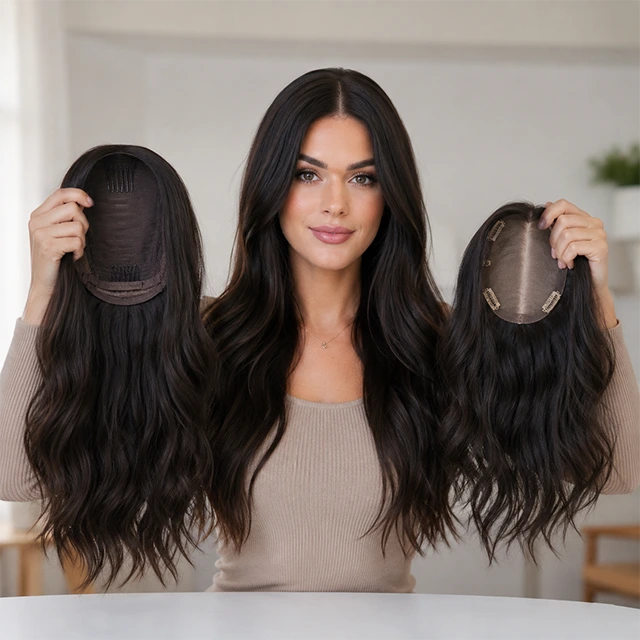
A hair topper may be suitable for certain patterns of localized hair thinning, but it isn’t necessarily appropriate for every type of alopecia.
Toppers are designed to add coverage to specific areas while blending with existing hair.
If you have sufficient hair around the area being covered, a topper may be an option worth exploring.
If hair loss is more extensive, a full wig may provide better coverage and greater flexibility.
A professional consultation can help determine which solution is most appropriate for your individual situation.
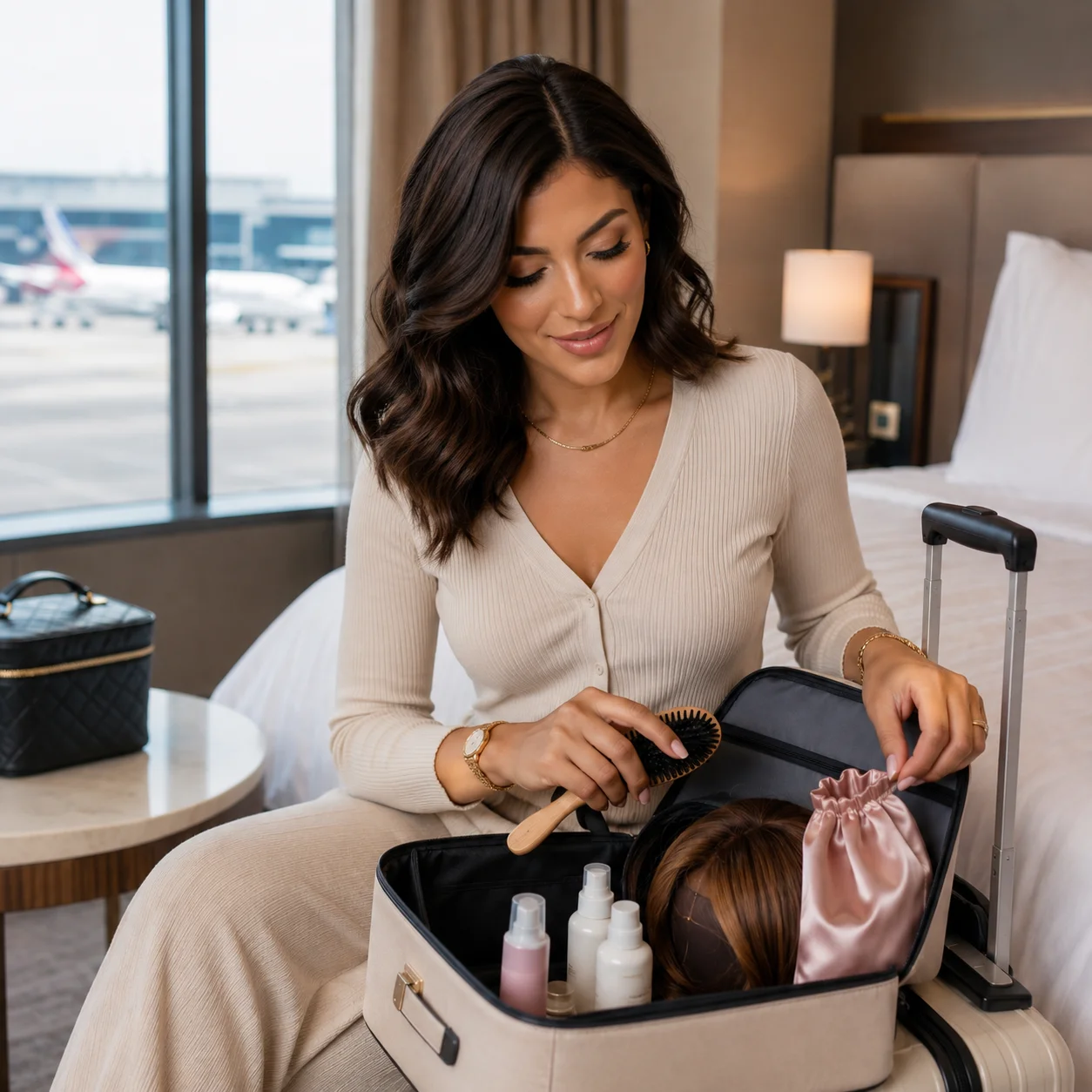
Caring for a Wig
Proper maintenance can help preserve the appearance and lifespan of your wig.
Care requirements depend on whether you have human hair or synthetic hair.
Human hair wigs generally require care and styling similar to natural hair, while synthetic wigs often require less daily styling.
Always follow the manufacturer’s care recommendations and use products designed specifically for your type of wig.
Important maintenance habits can include:
- Washing the wig appropriately
- Allowing it to dry correctly
- Storing it properly
- Avoiding unsuitable styling products
- Using heat only when appropriate
- Scheduling professional maintenance when needed
Wigs for Alopecia and Everyday Confidence
A wig can be more than a way to cover hair loss.
For many people, it provides the freedom to choose how they want to present themselves without having to think about whether their hair loss is visible.
You may want a natural everyday hairstyle, a polished professional look, or something completely different.
The right wig should allow you to feel comfortable and confident while fitting naturally into your daily life.
Finding the Right Wig for Alopecia in Toronto
Choosing a wig for alopecia is a personal decision, and there is no universal solution.
The best choice depends on your hair-loss pattern, desired coverage, comfort preferences, lifestyle, budget, and the look you want to achieve.
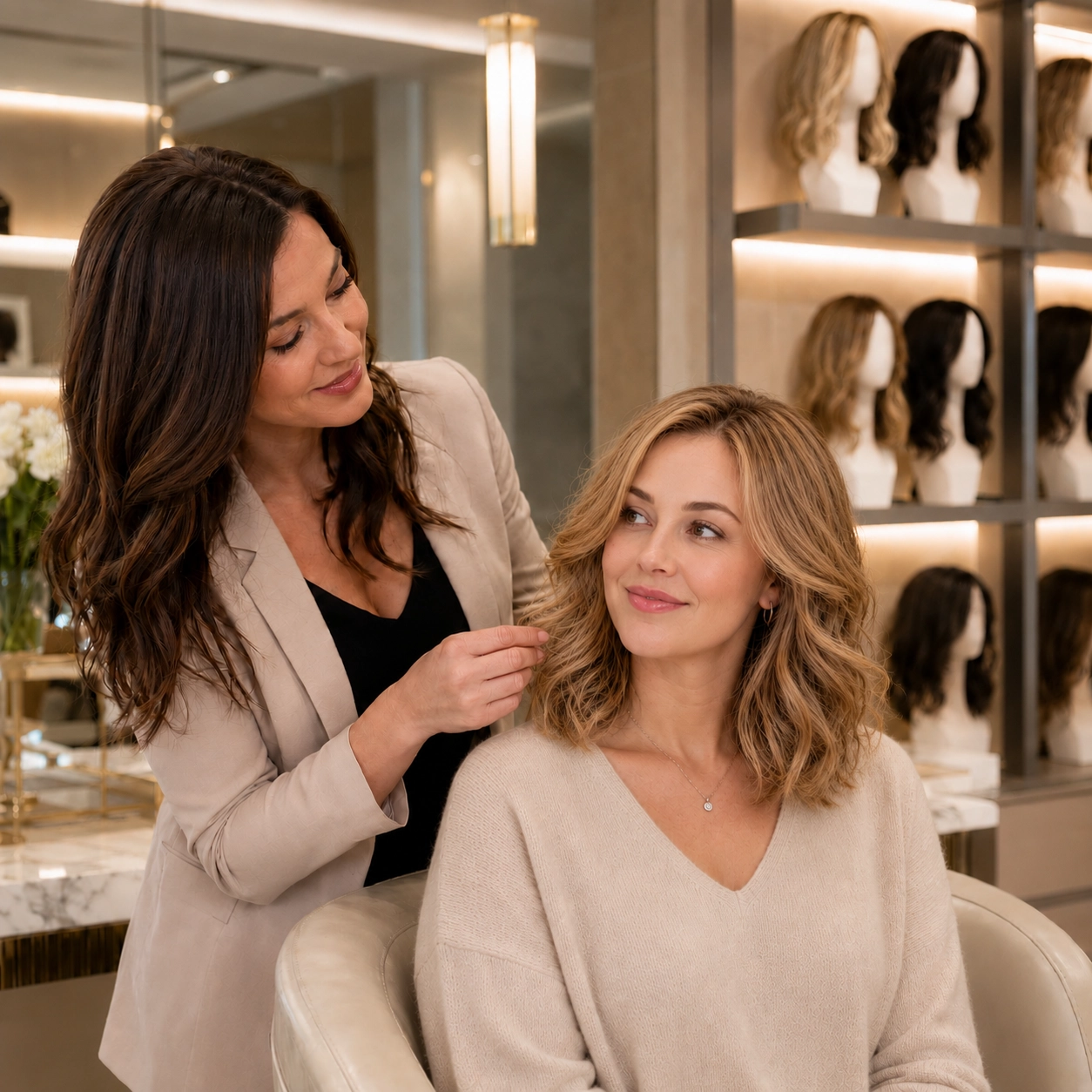
At Toronto Wig Studio, we offer personalized consultations for clients exploring wigs, hair toppers, and hair-loss solutions. Our selection includes human hair and synthetic options, along with professional styling and customization.
Whether you’re experiencing localized thinning or more extensive hair loss, our goal is to help you find a solution that feels comfortable, looks natural, and fits your individual needs.
If you’re considering a wig for alopecia, a private consultation is a great place to start. You can explore different options in person and make your decision with professional guidance rather than having to navigate the choices alone.